Most people who walk through the door of a coin shop in New York City are convinced they’re holding something extraordinary. Sometimes they’re right. More often, what they have is a coin that’s common, cleaned, or misidentified, and they had no idea. Working with a rare coin dealer NYC collectors and investors trust means getting an honest read on what you actually own, not just what you hope you own. That distinction matters enormously when money is on the table.
The Gap Between “Old” and “Actually Valuable”
Age alone does not make a coin rare. This is probably the most persistent misconception in the hobby. A coin minted in 1890 can be worth $8 or $8,000 depending on its mint mark, its condition, and how many survived in comparable shape. A 1964 Kennedy half dollar, despite being over 60 years old, is still so common that most dealers will pay you melt value and nothing more.
What actually drives rarity? A few things: low original mintage, high attrition over time (coins that were melted, lost, or heavily circulated), and strong collector demand for a specific date or variety. A coin can check all three boxes and still be worth less than you’d expect if the collector base for that series is small. Supply and demand applies here just as it does anywhere else.
Before you get excited about a date, look up the mintage figures. Then look up how many have been graded by professional services like PCGS or NGC. That second number tells you how many survivors actually exist in gradeable condition, and that’s the number that really matters.
Why Condition Is the Whole Story
Two coins from the same year, same mint, same series. One sells for $200. The other sells for $12,000. The difference? Condition. Professional coin grading uses a 70-point scale, and the jump from a grade of MS-63 to MS-65 can represent thousands of dollars in value. Tiny hairline scratches, contact marks, or evidence of cleaning can drop a coin multiple grade points instantly.
Cleaning is the silent killer of coin value. A well-meaning collector who polished a coin decades ago to make it “look nicer” may have permanently damaged its surfaces. Under magnification, cleaned coins show tell-tale signs, fine parallel lines, unnatural luster, a brightness that doesn’t match the coin’s age. Experienced dealers spot this in seconds. If you’re considering selling coinsknow that a cleaned example of an otherwise rare coin will always sell at a steep discount.
The lesson here is simple: don’t clean your coins. Don’t let anyone else clean them either. Store them properly in acid-free holders, keep them away from humidity, and handle them only by the edges. Preservation is everything.
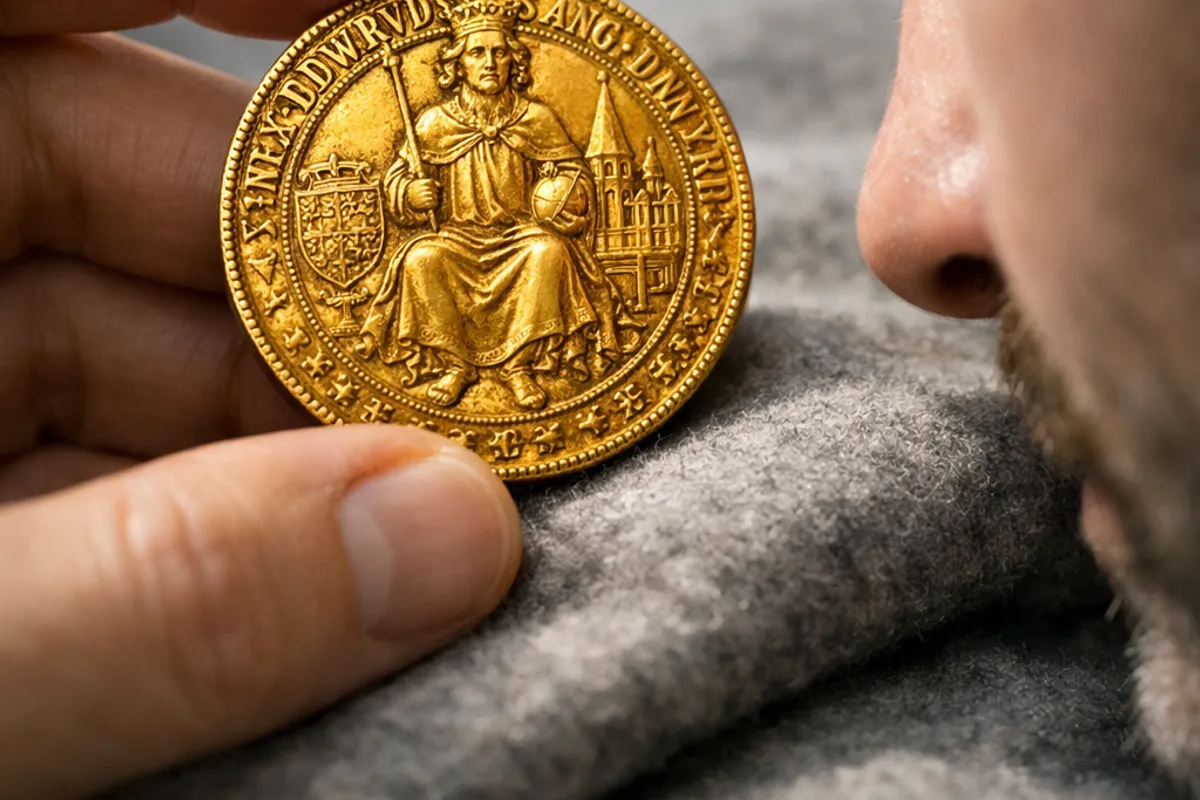
What New York City Does to the Market
Selling or buying coins in NYC is a different experience than doing it in a smaller market, and not always in the ways people expect. The city has a dense concentration of knowledgeable buyers, serious collectors, and institutional dealers. That competition generally works in your favor if you’re selling something genuinely scarce, there are more potential buyers here than almost anywhere else in the country.
On the flip side, that same expertise cuts both ways. You won’t get away with overpricing a common coin to an uninformed buyer the way you might at a rural flea market. The dealers and collectors here have seen everything. Many customers who’ve worked with Manhattan Coin Shop come away saying they appreciated the straight talk, no inflated promises, just a fair assessment based on what the market actually supports.
If you’re buying coins as an investment, the city’s market also gives you better access to quality inventory. It’s worth reading up on common mistakes people make when buying and selling gold coins before you commit to any transaction, some of those pitfalls are surprisingly easy to stumble into, even for experienced collectors.
Getting a Real Appraisal Before You Sell
If you’ve inherited a collection or found coins in an old safe, the single best thing you can do before approaching any buyer is get a proper appraisal. Not an online estimate based on a photo. Not a guess from a pawn shop. A hands-on evaluation from someone who handles rare and bullion coins daily.
A good appraisal tells you three things: what you have, what condition it’s in, and what a realistic selling price looks like right now. That last part matters because coin values shift. A series that was hot two years ago might be soft today. Precious metal content is always a floor, a silver coin will always be worth at least its melt value, but numismatic premiums above that floor can fluctuate significantly.
At Manhattan Coin Shop, located in New York City, the team evaluates coins based on current market data, not wishful thinking. That transparency is what separates a trustworthy dealer from one who’s simply trying to buy low. Walk in with realistic expectations, ask questions, and don’t be afraid to get a second opinion on anything significant. The right dealer will respect that approach rather than pressure you into a quick decision.
Your collection may be more valuable than you think, or it may be a box of common dates worth melt value. Either way, knowing the truth puts you in control of what happens next.
Frequently Asked Questions
How do I know if a coin I inherited is actually rare, or just old?
Age alone tells you almost nothing, a coin from 1890 can be worth $8 or $8,000 depending on its mint mark, condition, and how many survived in comparable shape. The number that really matters isn’t the original mintage figure; it’s how many examples have been graded by professional services like PCGS or NGC, because that tells you how many are actually out there in collectible condition. Before you get excited about a date, look both numbers up.
My grandfather cleaned his coins to make them shine, does that affect what I can get for them?
Yes, significantly. Cleaning is one of the most damaging things that can happen to a coin’s value, and experienced buyers spot it immediately under magnification, fine parallel lines, unnatural luster, and a brightness that doesn’t match the coin’s age are all dead giveaways. A cleaned example of an otherwise rare coin will always sell at a steep discount, no matter how good it looks to the naked eye.
What’s the difference between two coins from the same year where one sells for $200 and another sells for $12,000?
Condition. Professional grading uses a 70-point scale, and the jump from MS-63 to MS-65 alone can represent thousands of dollars in value. Even tiny contact marks or hairline scratches can drop a coin multiple grade points, which is why proper storage in acid-free holders and handling only by the edges matters so much.
Is selling coins in NYC any different than selling them somewhere else?
The city has a dense concentration of knowledgeable buyers, serious collectors, and institutional dealers, which generally works in your favor if you’re selling something genuinely scarce, there are more potential buyers here than almost anywhere else in the country. That same expertise also means you won’t get away with overpricing a common coin the way you might at a rural flea market, because the buyers here have seen everything.
What should a proper appraisal actually tell me before I sell?
A good hands-on appraisal covers three things: what you have, what condition it’s in, and what a realistic selling price looks like right now, not two years ago when a particular series might have been hotter. Precious metal content is always a floor, meaning a silver coin will always be worth at least its melt value, but the numismatic premium above that floor can shift considerably depending on current market demand.