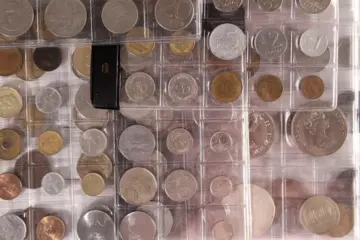
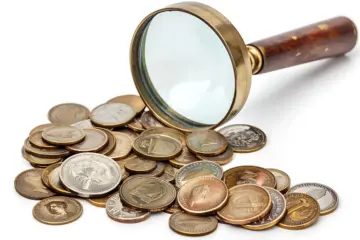
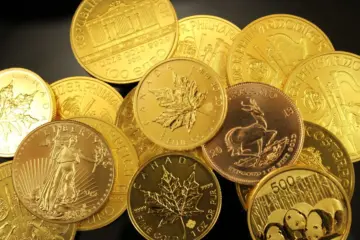
If you’ve been sitting on gold bars or coins and you’re finally ready to sell gold bullion in NYC, the good news is that the market is active and buyers are competing for quality metal. The less good news? A lot of people leave real money on the table simply because they didn’t do their homework before walking through a dealer’s door. This isn’t complicated stuff, but there are a few things worth knowing before you make your move.
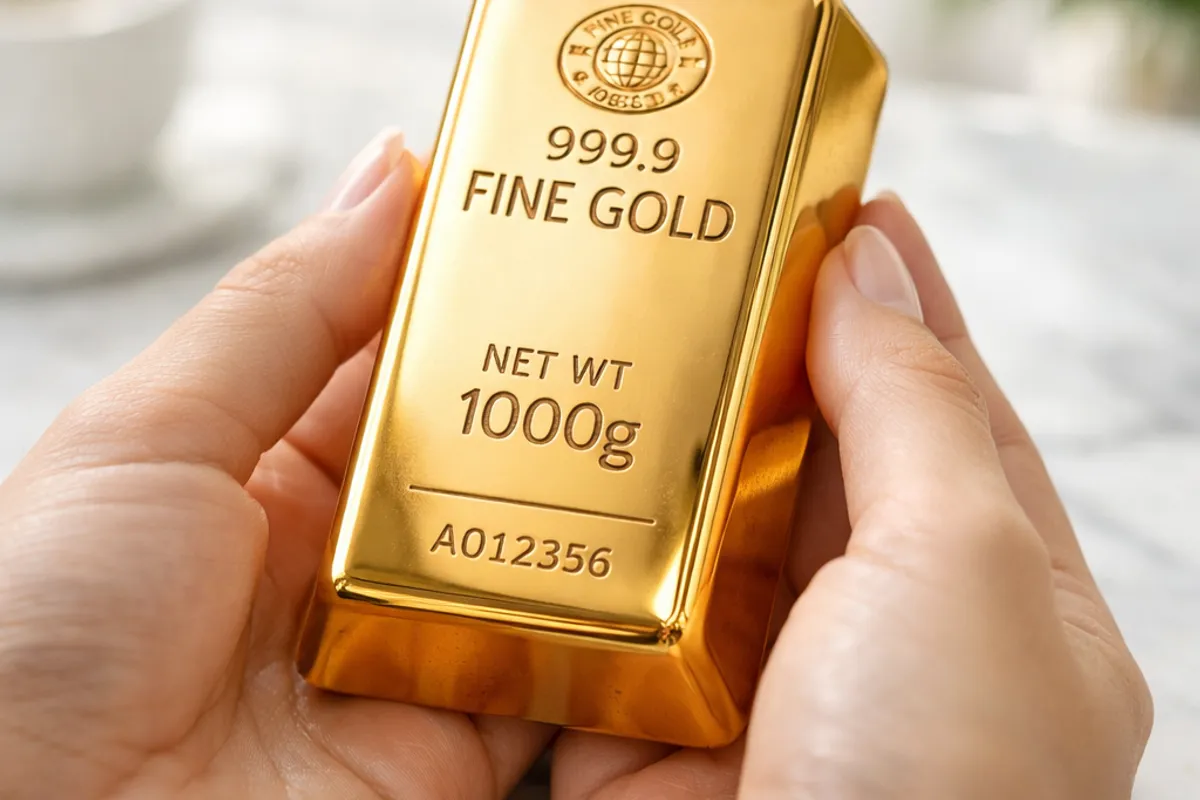
The Price You See Online Is Not the Price You’ll Get
This is the single biggest source of confusion for first-time sellers. The spot price, the number you see flashing on financial sites, is the global benchmark for raw gold. It’s the starting point for pricing, not the finish line. Dealers buy below spot and sell above it. That spread is how the business works, and any honest buyer will tell you exactly that.
What matters is how close to spot you’re getting. A reputable dealer in a competitive market like New York will offer a tighter spread than a pawnshop in a strip mall. The volume of transactions, the expertise of the buyer, and the overhead costs all play into what you’re ultimately offered. Before you accept any number, check the live spot price yourself, there are free tools online that update by the minute. Walk in informed, and you’ll negotiate from a much stronger position.
The form your gold takes also matters more than most people expect. A one-ounce American Gold Eagle from a recognized mint is going to command a better offer than a generic gold bar from an obscure refiner, even if both weigh exactly the same. Recognizable, liquid products move faster, and dealers price accordingly.
Condition Matters, But Not Always the Way You’d Think
Here’s something that surprises a lot of people: for bullion, condition is important, but it’s not everything. Unlike numismatic or collectible coins, where a single scratch can slash the value significantly, bullion is primarily valued by weight and purity. A well-circulated one-ounce Maple Leaf is still a one-ounce Maple Leaf.
That said, badly damaged pieces can raise red flags. Deep gouges, signs of filing, or anything that suggests the coin’s integrity has been compromised will slow down a transaction and may reduce your offer. Buyers need to verify authenticity, and anything unusual adds time and scrutiny to that process. If you want to understand more about how dealers assess what they’re looking at, this breakdown of how to identify authentic gold and silver coins is a useful read before you go in.
Keep your pieces in their original packaging or capsules when possible. It signals to the buyer that you’ve taken care of them, and it speeds up the verification process, which benefits everyone.

Who You Sell To Changes Everything
New York has no shortage of places willing to take your gold off your hands. The question is whether you’re walking into a transaction or a partnership. Pawnshops, jewelry stores, and online mail-in services all buy gold, but their business models are built on volume and margin, not on giving you the best return possible.
A specialized bullion dealer operates differently. They know exactly what they’re buying, they have a direct market for it, and they don’t need to pad their margins to cover the uncertainty of not knowing what they’re dealing with. At Manhattan Coin Shop, the focus is on exactly this kind of metal, coins and bars from recognized mints, which means the evaluation process is faster and the offers tend to reflect actual market value more accurately.
Sellers who’ve gone through the process often say the same thing: they wish they’d come to a specialist first instead of making the rounds. The experience is less stressful, the pricing is more transparent, and there’s no pressure to accept an offer on the spot. You can browse the full list of what they buy to see if your pieces qualify before you even make the trip.
Timing Your Sale Is a Real Strategy
Gold doesn’t move in a straight line. Prices respond to inflation data, interest rate decisions, geopolitical tension, and currency fluctuations, sometimes all in the same week. Selling when gold is near a recent high versus a recent low can mean a meaningful difference in what you walk away with, especially if you’re moving a significant quantity.
You don’t need to become a commodities trader to make a smart decision here. Set a price target based on your original cost or your financial goal, and monitor spot prices for a few weeks before committing. If you’re in no rush, patience is often rewarded. If you need liquidity quickly, at least go in knowing where the market stands today versus where it stood six months ago.
Don’t let urgency be manufactured by someone else. A buyer who pressures you to decide on the spot is not working in your interest. A trustworthy dealer will give you a firm offer, explain how they arrived at it, and let you decide without the theater. That’s the standard you should expect, and in a market as competitive as New York, it’s the standard you can demand.
Frequently Asked Questions
How far below spot price should I realistically expect a dealer in NYC to offer me?
The article doesn’t name a specific percentage, but it makes clear that a reputable dealer in a competitive market like New York will offer a tighter spread than a pawnshop or strip-mall buyer, because their volume, expertise, and lower uncertainty all work in your favor. The practical move is to pull up the live spot price yourself before you walk in, using any of the free tools that update by the minute, so you have a real baseline to compare against whatever number you’re given. If a buyer won’t explain how they arrived at their offer, that’s your signal to walk out.
Does it matter which mint my gold coins or bars came from when I go to sell them?
Yes, and more than most people expect, a one-ounce American Gold Eagle will typically get a better offer than a generic bar from an obscure refiner, even if both weigh exactly the same ounce. Recognizable products from established mints move faster in the secondary market, so dealers price them more favorably because there’s less friction reselling them. If you have a mix of pieces, it’s worth knowing which ones are considered liquid before you walk in.
My gold coins have some wear on them, will that kill my offer?
For bullion, wear alone won’t tank your price the way it would with collectible or numismatic coins, because dealers are primarily buying weight and purity, not condition grades. What does create problems is anything that raises authenticity questions, deep gouges, signs of filing, or damage that suggests the coin’s integrity has been compromised, since that adds time and scrutiny to the verification process. Keeping pieces in their original capsules or packaging, even if the coin itself has minor wear, signals that you’ve handled them properly and speeds things along.
Is there a better time of year or market condition to bring my gold in, or does it not really matter?
It genuinely matters, especially if you’re moving a meaningful quantity, gold prices respond to inflation data, interest rate decisions, geopolitical events, and currency swings, sometimes all in the same week. The article’s practical advice is to set a price target based on your original cost or financial goal, then monitor spot prices for a few weeks rather than selling on impulse. If you’re not in a rush, patience has historically been rewarded; if you need cash quickly, at least know where the market stands today versus six months ago before you accept anything.
What should I make of a buyer who tells me I need to decide right now to get that price?
That’s a red flag the article calls out directly, a buyer pressuring you to decide on the spot is not working in your interest. A trustworthy dealer will give you a firm offer, walk you through how they got there, and let you leave to think about it without any theater. In a market as competitive as New York, that’s not a high bar to set, it’s simply the standard you should expect and can reasonably demand.