If you’ve ever typed “coin shop near me” into your phone while standing somewhere in Manhattan, you already know the results can be overwhelming. Dozens of listings pop up, and they all look more or less the same from the outside. The reality is that not every dealer operates the same way, charges the same premiums, or brings the same level of expertise to the table. Knowing what separates a trustworthy bullion dealer from a mediocre one can mean the difference between a fair transaction and a frustrating one.
Not Every Shop That Buys Gold Is Actually in the Business of Gold
This might sound strange, but it’s true. Plenty of shops in NYC will buy your gold or silver coins as a side business, they’re primarily jewelry stores, pawn shops, or general antique dealers who happen to accept precious metals. That’s not necessarily a dealbreaker, but it does matter when it comes to pricing.
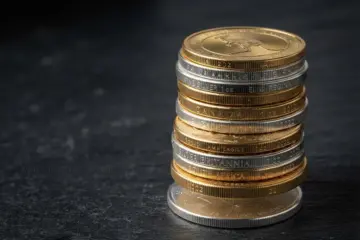
A dealer who specializes in bullion coins, American Gold Eagles, Canadian Maple Leafs, Silver Krugerrands, and similar coins, will understand the spot price market, recognize premium coins on sight, and price accordingly. A generalist shop may lowball you simply because they don’t have the infrastructure to move bullion efficiently. They’re taking on risk they don’t fully understand, and they pass that uncertainty on to you in the form of a lower offer.
When you’re evaluating a local dealer, ask directly: what percentage of their business is bullion? If the answer is vague or they pivot to talking about jewelry, that tells you something important.
The Spot Price Conversation You Need to Have Before You Walk In
Gold and silver prices move every single day. The offer you receive on a Tuesday afternoon may be meaningfully different from what you’d get on Thursday morning. A reputable dealer will be completely transparent about this, they’ll show you the current spot price, explain their buy premium or spread, and walk you through how they arrived at their number.
If a dealer makes you an offer without referencing spot price at all, that’s a red flag. It suggests they’re working off a fixed internal price sheet that may not reflect current market conditions. You’re essentially negotiating blind.
Before visiting any dealer, check the live spot price yourself. Sites like Kitco or the CME Group publish real-time gold and silver prices. Walk in informed. A good dealer will respect that, and frankly, the best ones expect it. Manhattan Coin Shop, for example, has built its reputation on transparent, market-based pricing, customers consistently come back because they know the numbers aren’t being pulled out of thin air.
If you want a deeper look at how to position yourself before selling, this guide on what to know before you sell gold bullion covers the key considerations in practical detail.
Condition, Certification, and Why They Change the Equation
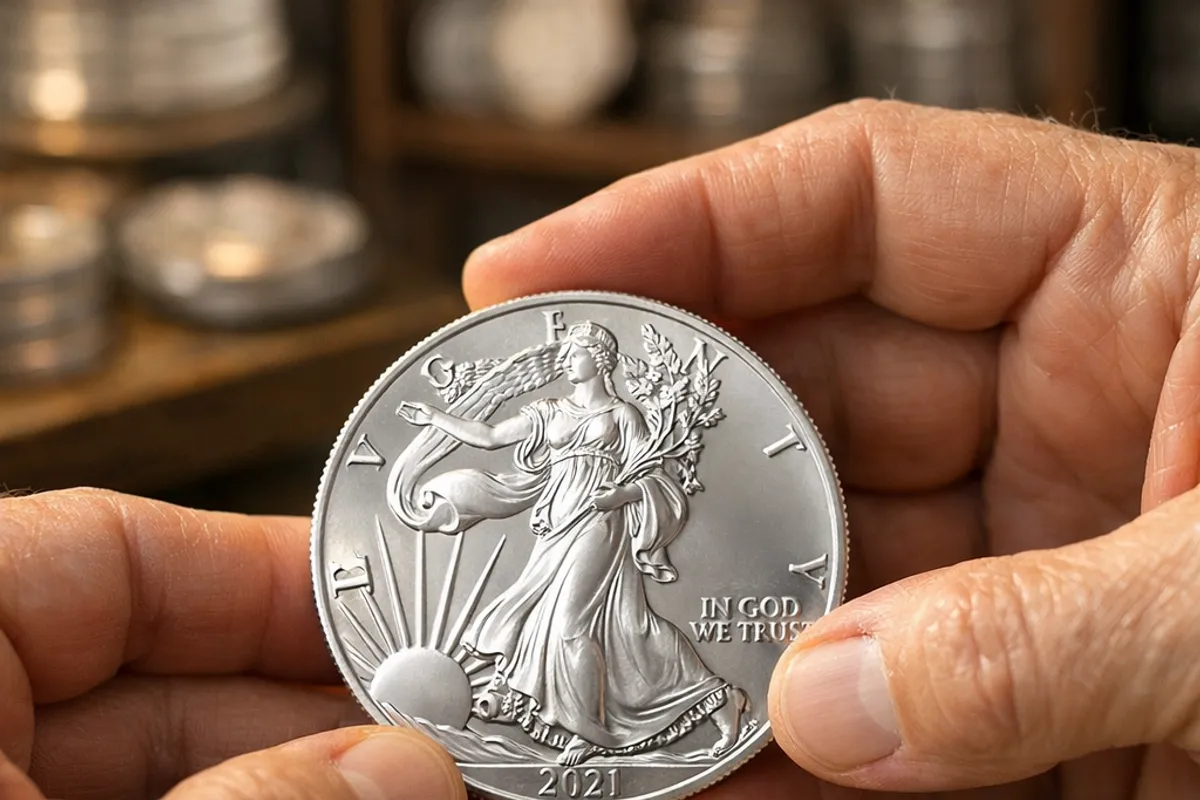
Not all bullion coins are created equal in the eyes of a serious buyer. A raw, uncirculated American Silver Eagle in its original mint packaging is a different product than a circulated coin with handling marks. Most bullion dealers buy based on metal content and spot price, but condition and certification can push the value higher, especially for coins graded by PCGS or NGC.
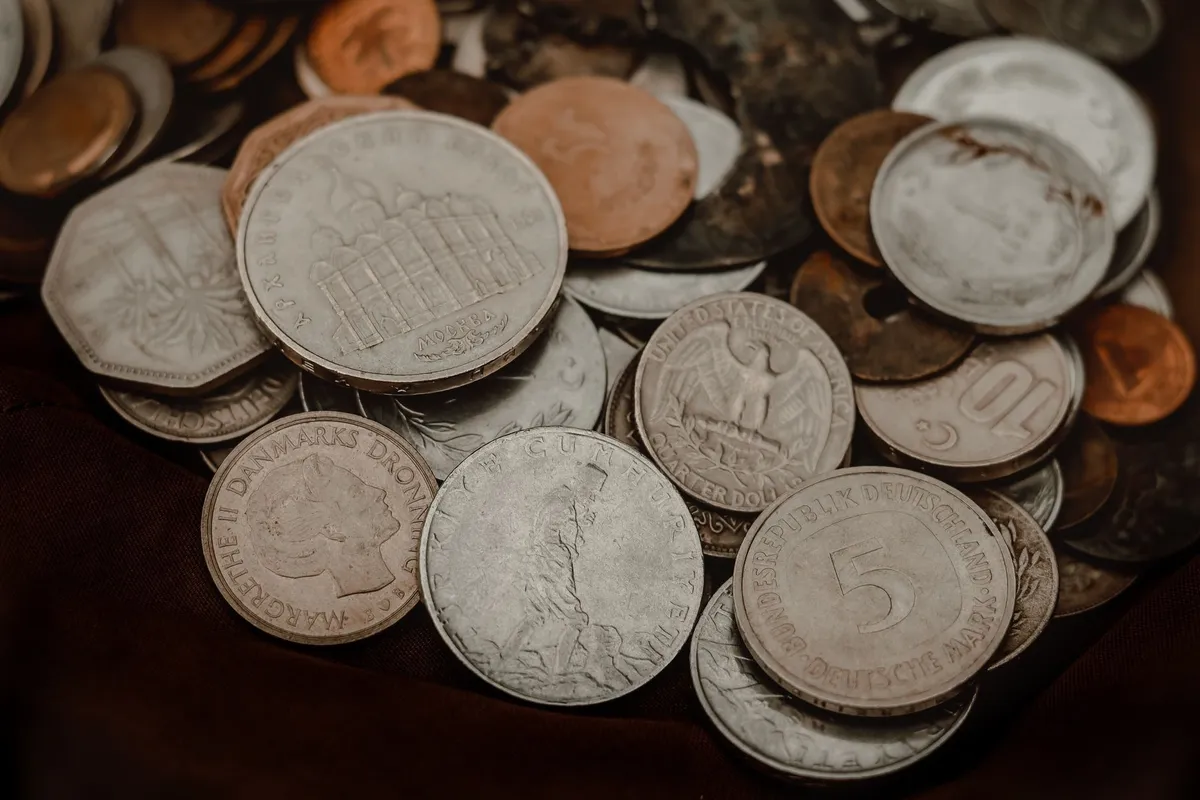
Knowing whether your coins are simply bullion-grade or potentially numismatic, meaning they carry collector value beyond their metal content, is worth figuring out before you sell. Some people walk in expecting a bullion price and walk out surprised to learn their coin is worth considerably more. The reverse also happens: people assume a coin is rare when it’s actually a common-date bullion piece worth exactly its melt value.
If you’re unsure how to read your coins before bringing them in, it’s worth spending a few minutes with this breakdown on how to identify authentic gold and silver coins before you buy or sell. It won’t make you an expert, but it’ll help you ask smarter questions.
Why NYC’s Market Rewards Sellers Who Do Their Homework
New York City is one of the most competitive precious metals markets in the country. That’s actually good news for sellers. Because there are multiple serious dealers operating in close proximity, the market tends to self-correct, a dealer who consistently lowballs customers doesn’t last long when word spreads fast in this city.
That competition also means you have real leverage. Getting two or three quotes before committing is completely normal and any reputable dealer will tell you the same thing. The dealers worth working with aren’t afraid of comparison, they know their pricing holds up.
What many sellers don’t realize is that timing matters too. Bringing in a significant collection during a period of high gold prices gives you more room to negotiate on the spread. Selling during a market dip, while sometimes unavoidable, means accepting a lower baseline. If you have flexibility on timing, pay attention to where gold is trending over a few weeks before making your move.
Customers who’ve worked with established Manhattan dealers often mention the same thing: what they valued most wasn’t just the price they received, but the fact that someone took the time to explain the process clearly and treat them like an informed adult rather than a mark. That combination of fair pricing and genuine transparency is what keeps people coming back, and what you should be looking for when you’re ready to buy or sell.
Ready to see what your coins are worth? Take a look at the full list of coins we buy to see if your pieces are on the list before you make the trip.
Frequently Asked Questions
How do I know if a dealer in NYC is actually a bullion specialist or just a pawn shop that accepts coins on the side?
Ask them directly what percentage of their business is bullion, a specialist will answer that question without hesitation and will be able to talk fluently about coins like American Gold Eagles, Canadian Maple Leafs, and Silver Krugerrands. If they pivot toward jewelry or give you a vague answer, that’s a signal they’re a generalist who doesn’t move bullion efficiently. Generalist shops often lowball because they’re absorbing uncertainty they don’t fully understand, and they pass that cost onto you.
What should I check before walking into any NYC dealer to sell my gold or silver coins?
Pull up the live spot price on a site like Kitco or the CME Group before you go in, both publish real-time gold and silver prices and take about thirty seconds to check. Any dealer worth dealing with will reference that number openly, show you their spread, and explain how they got to their offer. If a dealer quotes you a number without mentioning spot price at all, they’re likely working off a fixed internal sheet that doesn’t reflect what the market is actually doing that day.
Does the condition of my coins actually affect what a dealer will pay, or do they just pay melt value regardless?
Most bullion dealers price based on metal content and spot price, but condition and certification through PCGS or NGC can push the value higher if your coin carries numismatic, meaning collector, value beyond its metal content. The reverse is also true: some sellers assume a coin is rare when it’s actually a common-date bullion piece worth exactly its melt value. Spending a few minutes learning how to read your coins before you go in helps you ask smarter questions and avoids either kind of surprise.
Is it actually worth getting quotes from multiple dealers in Manhattan before I commit to selling?
Yes, and any reputable dealer will tell you the same thing, getting two or three quotes before selling is completely normal in this market. NYC has multiple serious bullion dealers operating close to each other, which keeps pricing competitive and means a dealer who consistently lowballs doesn’t stay in business long. The dealers confident in their pricing aren’t afraid of comparison, so if a shop discourages you from shopping around, that itself is worth noting.
Does it matter when I sell, or is the price I get mostly the same regardless of timing?
Timing does matter, bringing in a significant collection during a period of high gold prices gives you more room on the spread, while selling during a market dip means accepting a lower baseline number no matter how good the dealer is. If you have any flexibility, watching where gold is trending over a few weeks before committing can make a real difference on larger transactions. That said, if the sale can’t wait, knowing the current spot price at least ensures you’re not leaving money on the table through a dealer’s fixed internal pricing.