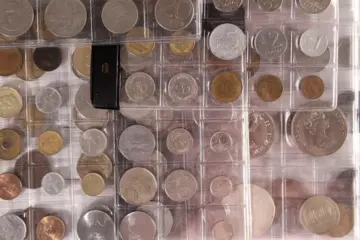
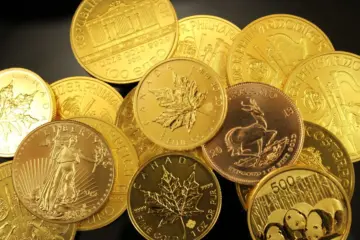
Most people who decide to buy sell gold coins in NYC walk into the process with good intentions and walk out wishing they’d done a few things differently. Not because they were cheated, but because they didn’t know what they didn’t know. Gold and silver bullion transactions aren’t complicated, but there are enough moving parts that small missteps can cost you real money. Here’s what experienced dealers see people get wrong, over and over again.
Treating Every Coin Like It’s Worth the Same Thing
This is probably the most expensive assumption a first-timer makes. Not all gold coins are created equal, and the difference between a generic gold round and a recognized government-minted bullion coin can be significant, both in what you pay and what you get back when you sell.
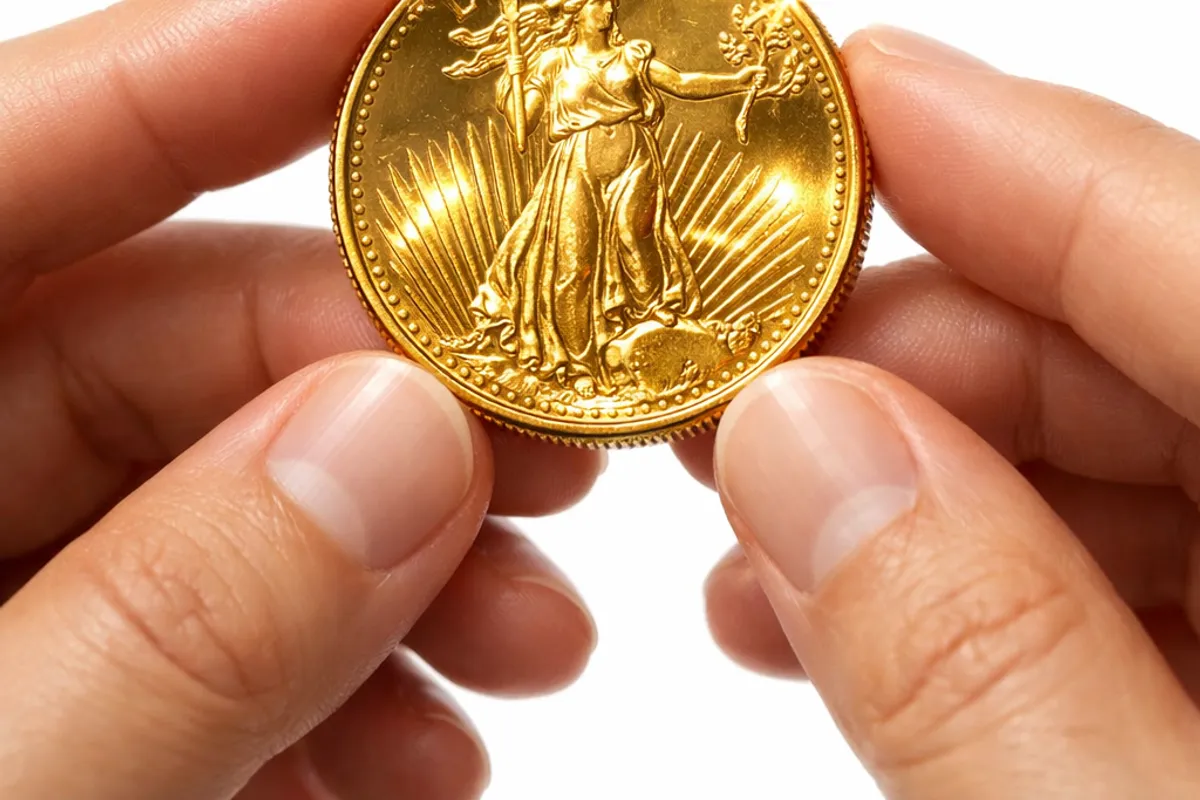
American Gold Eagles, Canadian Maple Leafs, South African Krugerrands, these carry global recognition. Dealers know them. Buyers trust them. When you go to sell, you’re not fighting an uphill battle explaining what you have. Compare that to a private mint round, which might contain the same gold content but trades at a lower premium because it lacks that universal credibility.
Before you buy anything, think about the exit. Ask yourself: will this be easy to sell three years from now? If the answer isn’t obviously yes, reconsider. Knowing which coins dealers actively want to purchase before you buy is one of the smartest moves you can make.
Going in Without Knowing Today’s Spot Price
Gold’s spot price changes throughout the trading day. It’s publicly available, updated in real time, and takes about ten seconds to look up on your phone. Yet a surprising number of people walk into a transaction, buying or selling, without checking it first.
Why does this matter? Because every legitimate offer you receive should be tied to spot. When you sell, you’ll get a percentage below spot. When you buy, you’ll pay a percentage above it. That spread is how dealers operate, and it’s completely normal. What’s not normal is not knowing where spot sits before you negotiate.
If someone offers you a flat dollar amount without referencing spot at all, that’s a red flag. Reputable dealers in NYC, the kind with years of experience and a track record of transparent transactions, will always walk you through how they arrived at their number. If they won’t explain the math, walk out.
Understanding the mechanics behind pricing also helps you recognize when market timing works in your favor. Gold tends to move with economic uncertainty, inflation fears, and currency fluctuations. Selling into a spike rather than a dip can make a meaningful difference in your return.
Skipping Authentication, and Paying for It Later
Counterfeit gold coins exist, and they’re getting harder to spot with the naked eye. Tungsten-filled fakes, gold-plated replicas, and altered dates on older coins are all real problems in the secondary market. This cuts both ways: you don’t want to buy a fake, and you don’t want to unknowingly try to sell one either.
Reputable dealers use professional testing equipment, XRF analyzers, precision scales, and dimensional gauges, to verify authenticity on the spot. If you’re buying from a private seller or an online marketplace, you don’t have that safety net. That’s one strong argument for purchasing through an established local dealer rather than a stranger on the internet.
Before any significant transaction, it’s worth understanding how to identify authentic gold and silver coins so you know what to look for and what questions to ask. It’s not about becoming an expert overnight, it’s about not being an easy target.
At Manhattan Coin Shop, authentication is part of every evaluation. Customers consistently mention how much they appreciate the transparency of the process, knowing exactly what they have before any offer is made takes the anxiety out of the whole experience.
Letting Emotion Drive the Decision
This one is harder to talk about, but it’s real. Gold coins often come with family history attached, inherited collections, gifts from grandparents, coins saved over decades. That emotional weight can push people toward two opposite mistakes: holding on too long out of sentimentality, or rushing to sell during a moment of financial stress without shopping around first.
Neither extreme serves you well. If you’re selling inherited coins, give yourself enough time to get at least two or three evaluations. Prices can vary between dealers, and a few phone calls or visits can make a real difference in what you walk away with. Don’t let urgency, real or imagined, compress that process.
On the buying side, emotional attachment to a specific coin can lead to overpaying. If you fall in love with a particular piece and refuse to walk away, sellers know it. Stay flexible, especially when you’re building a collection or investment position over time.
The dealers at Manhattan Coin Shop, located in New York City, have worked with everyone from seasoned investors to people selling a single inherited coin for the first time. The approach is the same either way: straightforward evaluation, fair pricing, and no pressure. If you’re ready to see what your coins are worth, or looking to add to your holdings, reach out and start the conversation.
Frequently Asked Questions
How do I know if the dealer’s offer is fair before I walk in?
Look up the current gold spot price on your phone before you go, it updates throughout the trading day and takes about ten seconds to find. Any legitimate offer should be tied directly to that number, with the dealer explaining what percentage above or below spot you’re getting and why. If someone quotes you a flat dollar amount without referencing spot at all, that’s a reason to walk out and try somewhere else.
Does it matter which gold coins I bring in to sell, or is gold just gold?
It matters quite a bit, government-minted coins like American Gold Eagles, Canadian Maple Leafs, and South African Krugerrands carry global recognition that makes them easier and faster to sell at better terms. A private mint round might contain identical gold content but trades at a lower premium because dealers and buyers don’t trust it the same way. Before you buy any coin, ask yourself whether it will be straightforward to sell three years from now.
What kind of testing does a reputable dealer actually do to verify a coin is real?
Established dealers use professional equipment, XRF analyzers, precision scales, and dimensional gauges, to check authenticity on the spot, not just a visual once-over. Tungsten-filled fakes and gold-plated replicas are real problems in the secondary market and are increasingly difficult to catch with the naked eye alone. If you’re buying from a private seller or an online marketplace, you don’t have access to any of that, which is one concrete reason to go through a local dealer instead.
I inherited a small collection and only have one coin to sell, is it worth getting more than one evaluation?
Yes, even for a single coin it’s worth making two or three calls or visits, because prices can vary between dealers and that difference adds up. Don’t let a sense of urgency, whether the pressure feels real or imagined, push you into accepting the first number you hear. Give yourself enough time to compare, especially when the coin has sentimental history attached, since that emotional weight can cloud the decision in either direction.
Does the timing of when I sell actually affect how much I get?
It can make a meaningful difference, gold tends to move with economic uncertainty, inflation fears, and currency fluctuations, so selling into a price spike rather than a dip changes your return. The spot price you see today may not be the spot price next week, and understanding that connection helps you recognize when market conditions work in your favor. It’s not about trying to perfectly time the market; it’s about not being completely unaware of where prices are when you walk in.