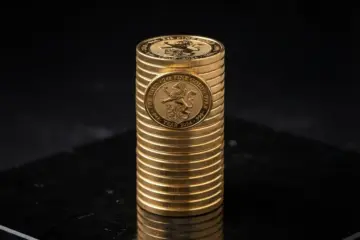
If you’ve been thinking about how to buy and sell gold and silver coins NYC style, meaning smart, fast, and without getting taken advantage of, you’re already asking the right questions. The precious metals market moves constantly, and whether you’re sitting on a collection you inherited or actively building a portfolio of bullion, how you approach each transaction makes a real difference in what ends up in your pocket.

What Your Coins Are Actually Worth (And Why Most People Guess Wrong)
One of the most common mistakes people make before walking into any coin shop is assuming they already know what their coins are worth. They check a price online, see that gold is trading at a certain spot price, and assume that’s what they’ll get. It doesn’t work that way.
Spot price is a starting point, not a final number. The actual value of a coin depends on its weight, purity, condition, mint year, and whether there’s collector demand beyond the metal content. An American Gold Eagle and a generic gold round might both contain one troy ounce of gold, but they don’t carry the same market value. The Eagle has brand recognition, liquidity, and collector appeal. That matters when someone is making you an offer.
Before you sell anything, take a few minutes to understand what you actually have. Separate bullion coins, things like Silver Maples, Gold Krugerrands, or American Silver Eagles, from older numismatic pieces that might carry a premium above melt value. Mixing them together in a pile and asking for one price is a quick way to leave money on the table.
The Buying Side: Where Real Value Hides
Buying precious metals coins for profit isn’t just about timing the market. It’s about knowing which coins hold their value, which ones carry premiums that compress over time, and which dealers are giving you fair pricing up front.
Sovereign coins, government-issued pieces like the Canadian Maple Leaf, the South African Krugerrand, or the U.S. Gold Eagle, are generally the safest buys for anyone looking to hold value or resell later. They’re universally recognized, easy to authenticate, and liquid in virtually any market. Private mint rounds can be cheaper to buy, but they’re harder to sell at a premium and often face more skepticism from buyers.
If you’re building a position in silver, pay attention to the premium over spot. During periods of high retail demand, premiums on silver coins can balloon to 20-30% above spot price. Buying at those levels means you need a significant price move just to break even. Patience here pays off. Waiting for premiums to normalize before loading up is a discipline that separates casual buyers from people who actually profit.
For a closer look at what’s currently available, the coins in stock at Manhattan Coin Shop give you a real sense of what fair market pricing looks like on popular bullion pieces.

Timing, Leverage, and the NYC Advantage
New York has a density of serious buyers and sellers that most cities simply can’t match. That creates genuine price competition, which is good for anyone on either side of a transaction. A dealer who knows you can walk two blocks and get another offer has every reason to sharpen their pricing. Use that to your advantage.
Timing matters too. Gold tends to attract attention during periods of economic uncertainty, inflation fears, currency volatility, geopolitical tension. Silver often follows gold’s lead but with more volatility, which creates buying opportunities for people who pay attention. Selling into strength, when headlines are driving retail demand, typically yields better results than selling during quiet periods when buyers aren’t competing as hard.
Many customers who’ve worked with Manhattan Coin Shop have mentioned that what surprised them most was the transparency of the process, no pressure, no lowball games, just a straightforward conversation about what the coins are worth and what a fair deal looks like. That kind of experience is worth seeking out, especially if you’re new to this.
For a broader look at how the local market shifts across different seasons and economic conditions, this piece on NYC’s evolving precious metals market is worth reading before you make any major moves.
How to Walk Into Any Transaction With Confidence
The single best thing you can do before buying or selling is show up prepared. That means knowing your coins, understanding current spot prices, and having a clear sense of what outcome you’re after. Are you liquidating a collection quickly? Holding for long-term appreciation? Looking to trade up into rarer pieces? Each goal changes the strategy.
When selling, don’t accept the first offer without understanding the reasoning behind it. A reputable dealer will explain how they arrived at their number, what spot price they’re working from, what premium or discount applies, and why. If someone can’t explain their offer clearly, that’s useful information.
When buying, ask about buyback policies. A dealer who buys back what they sell is signaling confidence in their own pricing. It also means you have an exit if your situation changes. You can review exactly what Manhattan Coin Shop buys to get a sense of the range of coins that move through a serious local dealer.
Precious metals have been a store of value for thousands of years. The fundamentals don’t change. What changes is how informed you are when you sit down to make a deal, and in a market as competitive as New York, that preparation is the difference between a good transaction and a great one.
Frequently Asked Questions
Why would an American Gold Eagle be worth more than a generic gold round if they both contain one troy ounce of gold?
The Eagle carries brand recognition, collector appeal, and strong liquidity in virtually any market, while a generic private mint round is harder to resell at a premium and often faces more skepticism from buyers. That difference in demand shows up directly in the offer you’ll receive when you go to sell. Mixing the two together and asking for one flat price is a reliable way to undervalue the Eagle.
Silver premiums seem to swing a lot, when is actually a good time to buy silver coins in NYC?
During periods of high retail demand, premiums on silver coins can run 20-30% above spot price, which means you’d need a significant price move just to break even on the sale side. The discipline that actually pays off is waiting for those premiums to normalize before buying in size. NYC’s density of dealers creates real price competition, so you can shop around and get a clearer read on where premiums are sitting on any given day.
How do I know if a dealer’s offer on my coins is actually fair or just a lowball number?
A reputable dealer should be able to walk you through exactly how they arrived at their number, the spot price they’re working from, what premium or discount applies, and why. If someone can’t explain the reasoning clearly, that tells you something useful about how they operate. In New York specifically, you have the option to walk a few blocks and get a second offer, so use that as a check.
I inherited a mixed collection, how should I sort it before bringing it in to get an offer?
Separate your bullion coins, things like Silver Maples, Gold Krugerrands, and American Silver Eagles, from older pieces that might carry numismatic or collector value above the raw metal content. Bringing everything in as one undifferentiated pile is a quick way to leave money on the table, because the two categories don’t price the same way. Taking even a few minutes to sort them before you walk in puts you in a much stronger position during the conversation.
Does it matter when I sell, or is the price just whatever gold or silver is trading at that day?
Timing does affect what you walk away with, selling when headlines are driving retail demand, like during inflation fears or geopolitical uncertainty, typically means buyers are competing harder and you have more room to negotiate. Selling during quiet periods when there’s little public interest usually means softer offers. Spot price sets the floor, but market conditions and buyer demand shape how much above that floor you can realistically expect.